Stress is a normal part of life, but when it becomes chronic, it can take a serious toll on physical health. Many people underestimate the long-term effects of stress, which can contribute to illnesses, weakened immunity, and overall decline in well-being. Understanding these impacts is crucial for prevention and management.
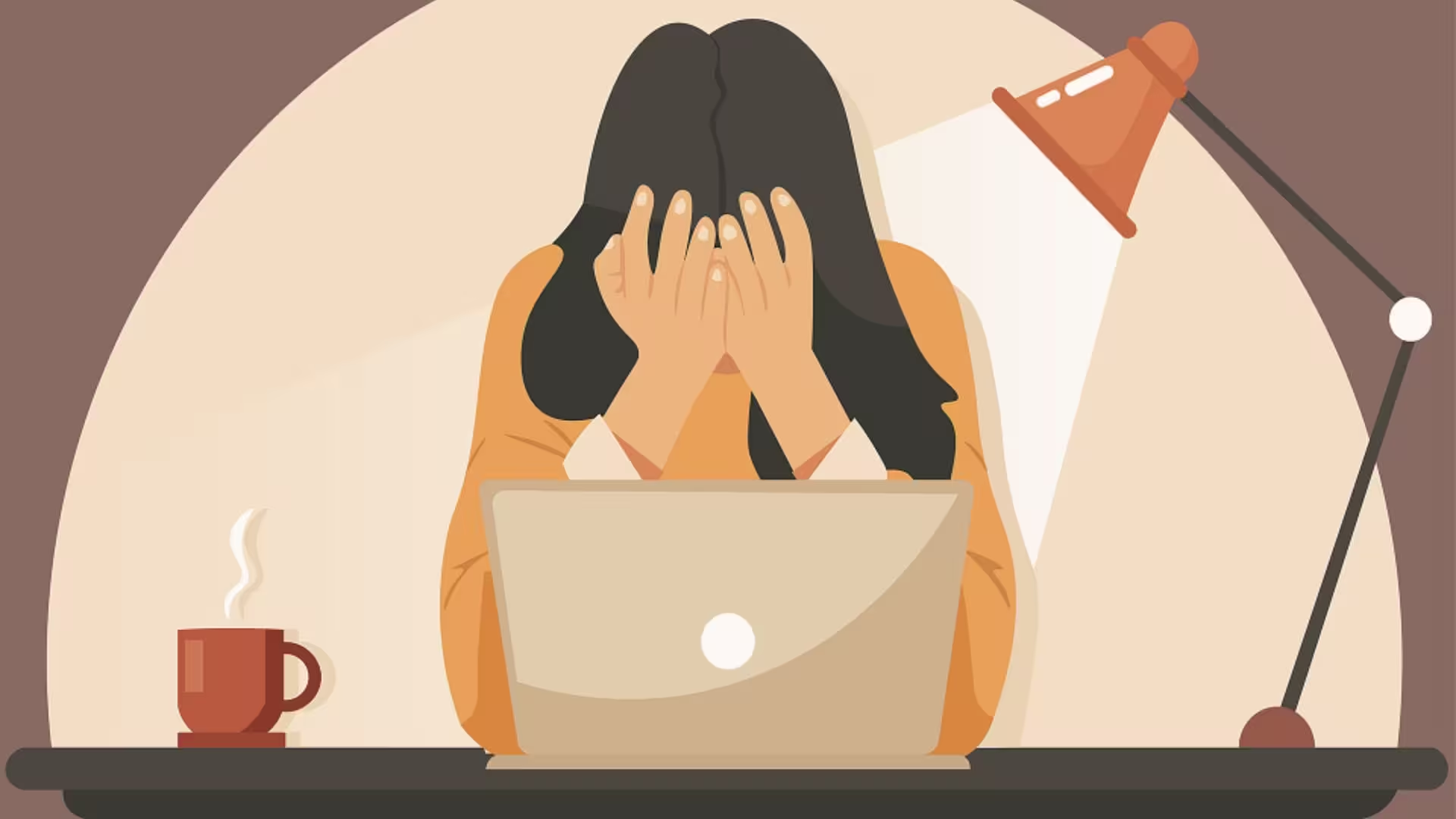
How Stress Affects the Body
When faced with stress, the body activates the “fight-or-flight” response. This releases hormones like cortisol and adrenaline, increasing heart rate, blood pressure, and energy availability. While this response is helpful in short-term situations, chronic stress keeps the body in a constant state of alert, causing damage over time.
1. Cardiovascular Health
Long-term stress can contribute to high blood pressure, heart disease, and an increased risk of stroke. Elevated cortisol levels affect the heart and blood vessels, leading to inflammation and other complications.
2. Immune System Suppression
Chronic stress weakens the immune system, making the body more susceptible to infections and illnesses. Stress can also slow recovery from injury or sickness.
3. Digestive Issues
Stress affects digestion by altering gut motility and increasing stomach acid production. This can lead to stomachaches, acid reflux, irritable bowel syndrome (IBS), and other gastrointestinal problems.
4. Weight Gain and Metabolism
Cortisol can increase appetite and cravings for high-calorie foods. Over time, this may lead to weight gain, particularly around the abdomen, and can contribute to metabolic issues like diabetes.
5. Sleep Disturbances
Stress often interferes with sleep patterns, causing insomnia or poor-quality sleep. Lack of rest further aggravates physical health, affecting energy, cognitive function, and emotional balance.
You Can Also Read: consistency-over-motivation-health
6. Chronic Pain and Muscle Tension
Persistent stress causes muscle tension, headaches, and chronic pain. It can exacerbate conditions like back pain or migraines, reducing overall quality of life.
Strategies to Reduce Long-Term Stress Effects
- Regular Exercise: Physical activity lowers stress hormones and boosts mood.
- Mindfulness and Meditation: Practices like meditation, deep breathing, and yoga reduce cortisol levels and promote relaxation.
- Healthy Diet: Balanced nutrition supports immune function and overall health.
- Adequate Sleep: Prioritize 7–9 hours of quality sleep per night.
- Social Support: Spending time with friends, family, or support groups helps buffer stress.
- Professional Help: Therapists, counselors, or stress management programs can provide guidance for chronic stress.
- Education and Resources: Platforms like Francoisturf offer insights on managing stress and maintaining long-term health.
Why Managing Stress Matters
Chronic stress is not just an emotional burden—it has measurable physical consequences. By addressing stress early and consistently, individuals can reduce the risk of heart disease, digestive problems, weakened immunity, and other health issues.
Conclusion
The long-term impact of stress on physical health is significant and wide-ranging. From cardiovascular problems to weakened immunity, sleep disruption, and chronic pain, prolonged stress affects nearly every system in the body.
Adopting consistent stress management strategies, maintaining healthy habits, and seeking support when necessary can help mitigate these risks. Prioritizing both mental and physical well-being ensures a healthier, more resilient life in the long term.