Biohacking has become a popular trend in health and wellness circles. Promising improved energy, mental clarity, and physical performance, it attracts both enthusiasts and skeptics. But is biohacking genuinely effective, or is it mostly hype? Understanding the science and practical applications helps separate fact from fiction.
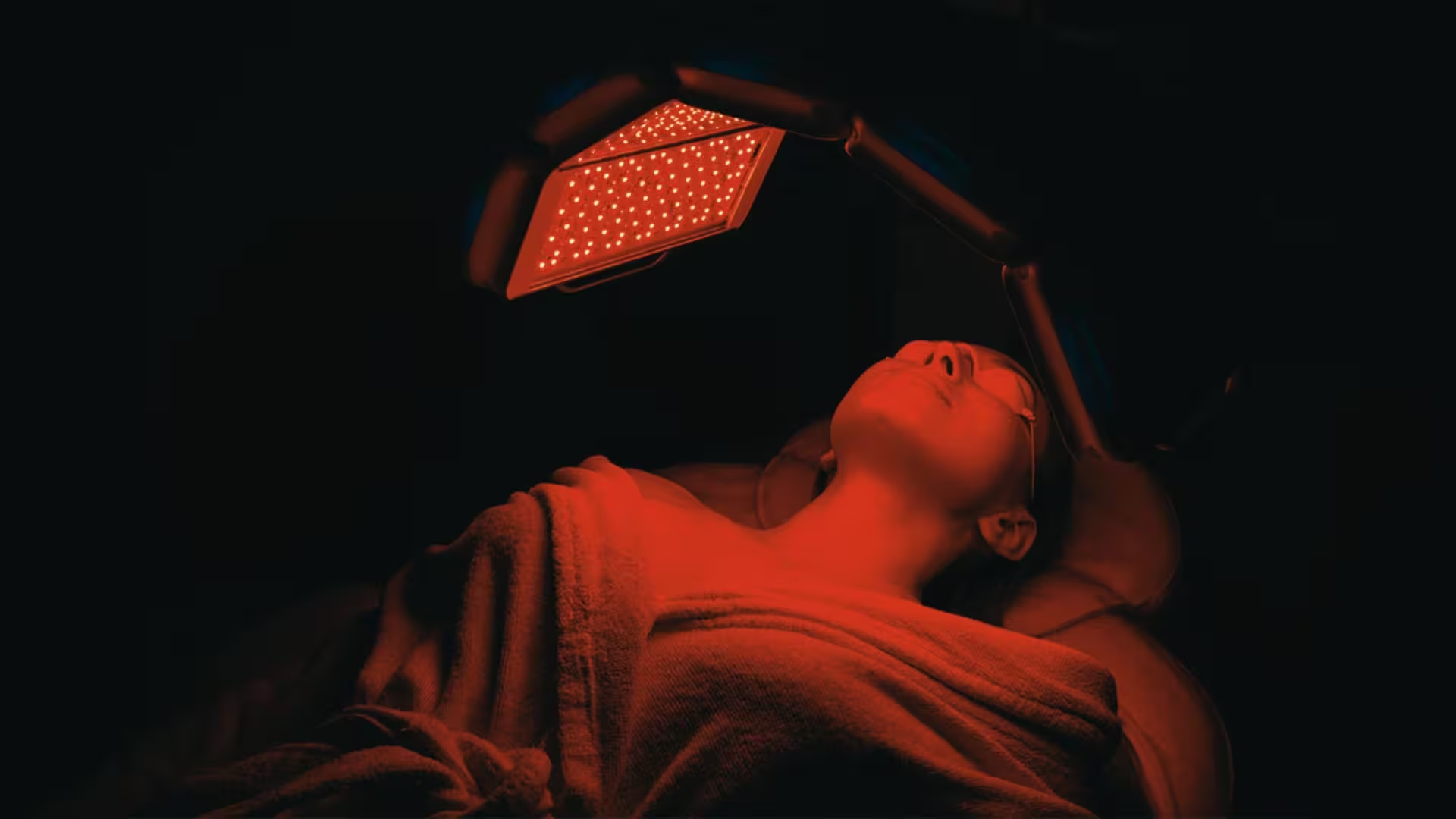
What Is Biohacking?
Biohacking refers to making small lifestyle, diet, or technology-based changes to optimize health, performance, and well-being. It ranges from simple habits like sleep tracking and dietary adjustments to advanced interventions such as nootropics, intermittent fasting, or wearable devices that monitor biometrics.
Potential Benefits of Biohacking
1. Improved Awareness of Health
Tracking habits, sleep, and physical activity can reveal patterns that affect overall health. For example, monitoring sleep quality or heart rate can help people make informed lifestyle changes.
2. Enhanced Physical Performance
Some biohacks, like structured exercise routines, nutrition optimization, or intermittent fasting, have proven benefits for energy levels, endurance, and body composition.
3. Mental Clarity and Focus
Nootropics, meditation, and controlled exposure to stimuli (like cold showers) are biohacking techniques aimed at improving focus and cognitive function. When used responsibly, they may enhance productivity and mental well-being.
4. Data-Driven Lifestyle Adjustments
Wearables and apps allow users to track data over time, creating a personalized approach to health. Platforms like Francoisturf highlight how tools and insights can help optimize routines based on measurable outcomes.
Why Biohacking May Be Overhyped
1. Limited Scientific Evidence
Not all biohacking techniques are backed by rigorous scientific studies. Some claims, particularly regarding supplements, nootropics, or extreme interventions, lack sufficient research.
2. Risk of Overcomplication
Attempting too many hacks at once can overwhelm the body and mind. Overcomplicating health routines may reduce adherence and even have negative effects.
3. Expensive and Unsustainable
Many biohacks involve costly devices, supplements, or programs. For most people, simpler habits like consistent sleep, balanced diet, and regular exercise yield more reliable results.
You Can Also Read: stress-impact-health
4. Placebo Effect
Some benefits reported by biohackers may be due to placebo effects rather than actual physiological changes. Positive outcomes may be real, but the cause is not always the biohack itself.
How to Approach Biohacking Safely
- Start Small: Focus on simple, evidence-based changes before experimenting with advanced techniques.
- Monitor Results: Track measurable outcomes to see if the change is effective.
- Consult Professionals: Speak with healthcare providers before trying supplements or extreme interventions.
- Focus on Fundamentals: Sleep, nutrition, exercise, and stress management remain the most impactful biohacks.
- Use Reliable Tools: Platforms like Francoisturf provide insights into effective routines and strategies without unnecessary risk.
Conclusion
Biohacking can be helpful when applied thoughtfully, especially for tracking habits, optimizing basic lifestyle factors, and improving awareness of health. However, many advanced techniques are overhyped, expensive, or unsupported by science.
The key is to combine curiosity with caution: prioritize evidence-based strategies, track results, and avoid overcomplicating your routine. When done right, biohacking can be a tool for improvement—but it is not a replacement for fundamental health practices.