Many people increase their spending as their income grows, often without realizing the long-term impact. This phenomenon, known as lifestyle inflation, quietly erodes financial stability and prevents wealth accumulation. Understanding it is essential for achieving true financial freedom.
What Is Lifestyle Inflation?
Lifestyle inflation occurs when higher income leads to higher spending. Instead of saving or investing the additional income, people upgrade their lifestyle—bigger homes, luxury cars, expensive vacations, or premium subscriptions. While it may feel rewarding in the short term, lifestyle inflation can prevent long-term wealth building.
How Lifestyle Inflation Affects Wealth
1. Reduces Savings
When extra income is spent immediately, savings growth stalls. People may feel richer, but their net worth does not increase. Over time, this can make it difficult to handle emergencies or plan for retirement.
2. Encourages Debt
Lifestyle inflation often leads to higher debt. Bigger houses, new cars, or luxury items may require loans or credit, creating financial obligations that continue even if income fluctuates.
3. Hinders Investment Growth
Investing is key to building wealth. By spending extra income instead of investing it, people miss out on compound growth, which could significantly boost net worth over decades.
4. Creates Financial Stress
Ironically, lifestyle inflation can increase stress. Higher expenses require higher income to maintain, leaving less room for flexibility and long-term planning. Financial freedom becomes harder to achieve.
5. Reduces Mindful Spending
The habit of immediately upgrading lifestyle reduces awareness of spending patterns. People may prioritize status or convenience over practical financial decisions.
Signs You’re Experiencing Lifestyle Inflation
- Regularly upgrading to bigger homes or cars when income increases
- Spending on luxury items without saving or investing
- Relying on credit cards or loans for non-essential purchases
- Feeling financial pressure despite a higher income
- Comparing your lifestyle to peers or social media influencers
How to Avoid Lifestyle Inflation
1. Prioritize Saving and Investing
Commit a portion of any salary increase to savings or investments before increasing spending. Automating contributions ensures consistent wealth growth.
2. Set Clear Financial Goals
Define what financial freedom or wealth means to you. Goals like retirement planning, debt freedom, or investment targets guide spending decisions.
You Can Also Read: why-people-dont-feel-rich
3. Live Below Your Means
Maintain lifestyle habits from a lower income even as earnings rise. Focus on comfort and security rather than status or material upgrades.
4. Budget Mindfully
Track expenses and avoid impulsive upgrades. Budgeting helps distinguish between wants and needs.
5. Leverage Financial Insights
Platforms like Francoisturf offer strategies for budgeting, saving, and building wealth while controlling lifestyle inflation.
6. Avoid Comparison
Social pressure and social media can drive unnecessary spending. Focus on your financial journey instead of comparing with others.
Conclusion
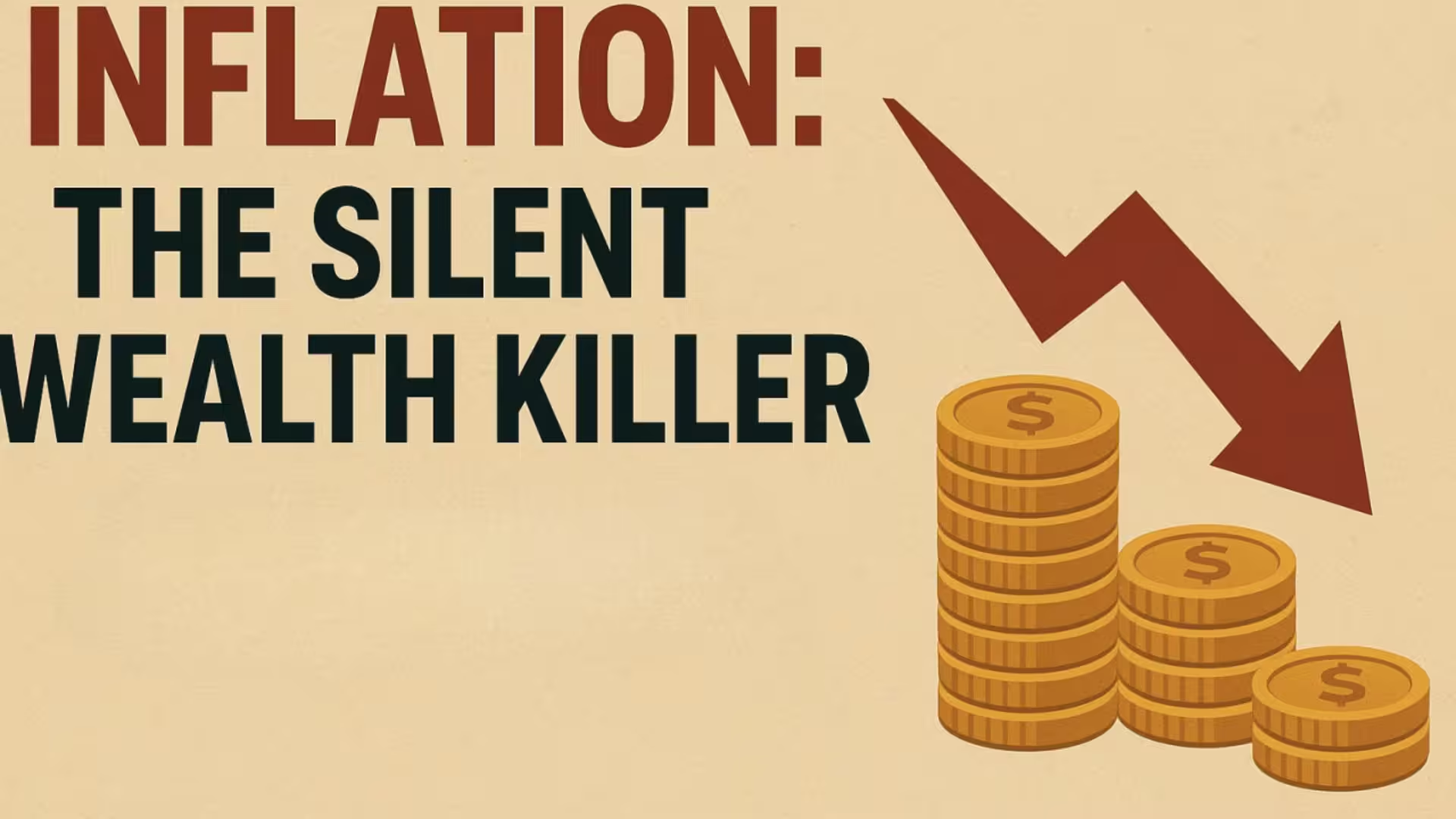
Lifestyle inflation is a silent wealth killer. It can disguise itself as financial progress, but in reality, it prevents savings, fuels debt, and limits investment growth.
The key to overcoming it is conscious financial planning: prioritize savings, invest wisely, and maintain a lifestyle below your means. By doing so, you can enjoy higher income while building true wealth and long-term financial security.