Travel looks very different today than it did a few years ago. Many people are traveling less often than before, yet total travel spending continues to rise. Fewer trips, higher costs, and different priorities are shaping a new kind of travel behavior.
So why are people traveling less but spending more when they do?
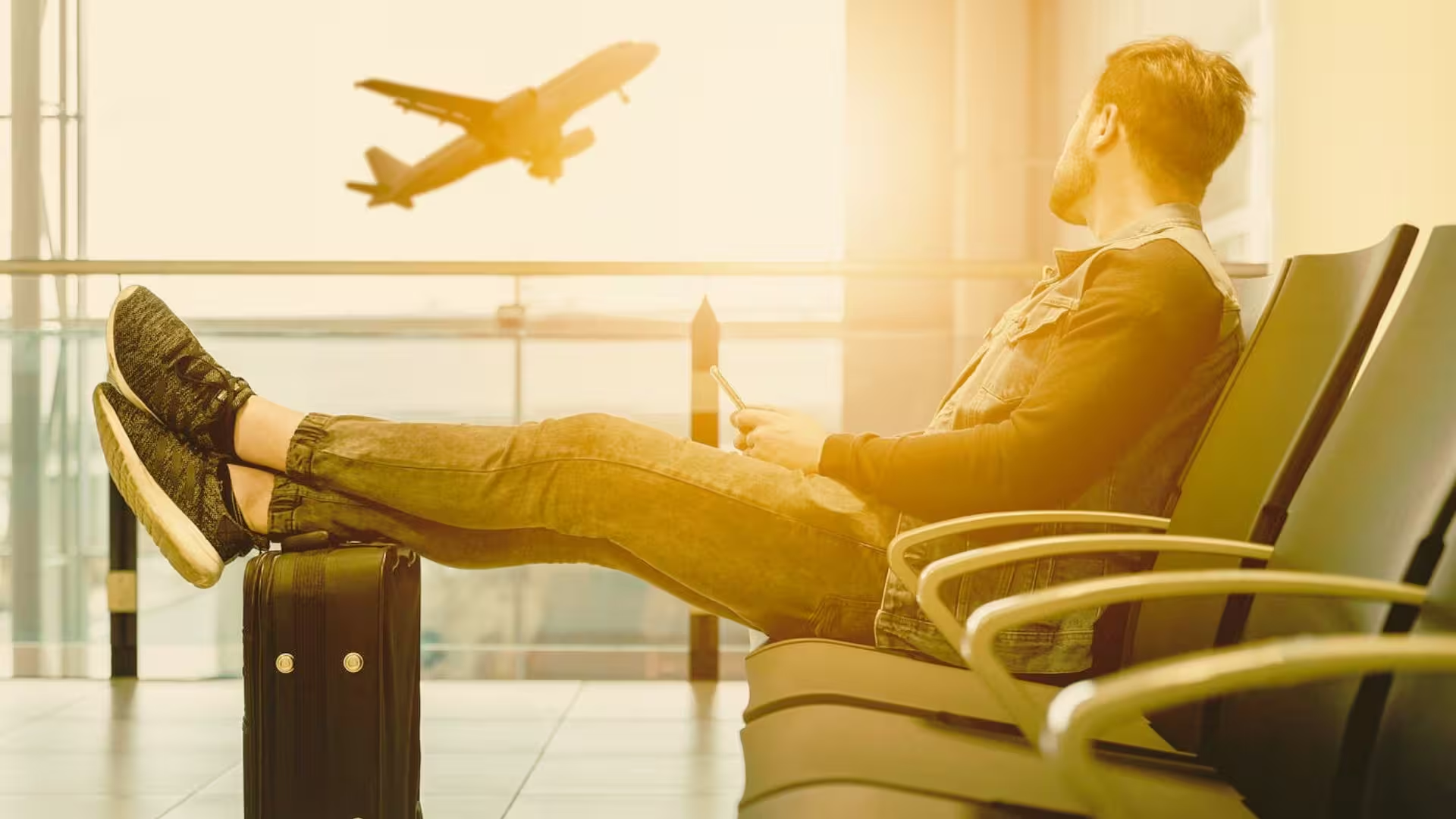
Travel Frequency Is Declining
1. Rising Everyday Expenses
Housing, food, healthcare, and utilities cost more than before. Even people with stable incomes feel pressure on their monthly budgets. Because of this, travel becomes a planned luxury instead of a regular habit.
Rather than taking several short trips each year, many people now save for one or two bigger trips.
2. Less Free Time
Remote work created flexibility, but it also blurred work-life boundaries. Many professionals feel they cannot fully disconnect. Short trips no longer feel relaxing when work follows everywhere.
As a result, people prefer fewer trips that feel truly meaningful.
3. Travel Fatigue
After years of disrupted travel, many travelers feel tired of planning, cancellations, delays, and uncertainty. The effort required to travel has increased, so people choose to travel less often.
Spending Per Trip Is Increasing
1. Higher Travel Costs
Flights, hotels, car rentals, and food all cost more. Inflation and higher operating costs have raised prices across the travel industry.
Even basic trips now require larger budgets, pushing total spending higher even when trip count is lower.
2. Preference for Comfort
When people travel less, they want the experience to feel worth it. Many choose better hotels, direct flights, upgraded seating, or premium services.
Instead of budget travel, travelers are prioritizing comfort, convenience, and peace of mind.
3. Experience Over Quantity
Travel is increasingly viewed as an investment in experience. People want memorable moments, not rushed itineraries. This leads to spending more on guided tours, unique accommodations, wellness retreats, and local experiences.
One great trip now matters more than many average ones.
Changing Travel Mindset
1. Travel as a Reward
Travel is no longer routine. It is treated as a reward for hard work or a milestone moment. This mindset encourages higher spending per trip.
People want to travel to feel special, not stressed or rushed.
2. Emotional Value Matters More
After global uncertainty and lifestyle changes, people value emotional return. Trips that offer relaxation, connection, or personal growth are prioritized.
This often means choosing higher-quality destinations and services.
3. Fewer Impulse Trips
Spontaneous travel has declined. Travelers plan carefully, research more, and commit to fewer trips. Planning increases expectations, which often leads to higher spending.
Platforms like francois turf often explore how incentives and decision-making systems influence behavior, and travel choices follow the same pattern—less frequency, higher intent.
Social Media Influence
1. Curated Travel Standards
Social media has raised expectations. People see luxury stays, scenic views, and curated experiences daily. This shapes what travelers believe a “good trip” should look like.
As a result, travelers spend more time trying to match these standards.
2. FOMO With Fewer Trips
When trips are rare, people feel pressure to make them perfect. This fear of missing out leads to upgraded choices and higher budgets.
Impact of Sustainability Awareness
1. Conscious Travel Choices
Many travelers are concerned about environmental impact. Flying less is seen as more responsible. Instead of many trips, people choose fewer, longer stays.
Longer stays naturally cost more, increasing total spend per trip.
2. Supporting Local Economies
Travelers are more willing to spend on local businesses, ethical tours, and sustainable lodging. These options often cost more but align with personal values.
Business Travel Has Changed Too
1. Fewer Work Trips
Virtual meetings replaced many business trips. Companies cut travel budgets and only approve essential travel.
2. Higher Standards for Approved Trips
When business travel happens, it often includes better accommodation and flexible scheduling to reduce employee burnout.
This raises average spend even as total trips decline.
What This Trend Means for the Travel Industry
1. Focus on Value, Not Volume
Travel companies are shifting from mass tourism to premium experiences. Quality matters more than quantity.
2. Personalization Is Key
Travelers expect customized experiences that justify higher costs. Generic packages are losing appeal.
3. Longer Stays Are More Popular
Hotels and destinations are adapting to travelers who stay longer but arrive less often.
Conclusion
People are not traveling as often as before, but they are spending more when they do. Rising costs, limited time, emotional priorities, and higher expectations are reshaping travel behavior.
Travel is no longer about checking places off a list. It is about comfort, meaning, and memorable experiences. Fewer trips, higher spending, and deeper value define the new travel mindset.
This shift is not temporary—it reflects how people now balance money, time, and fulfillment in a changing world.