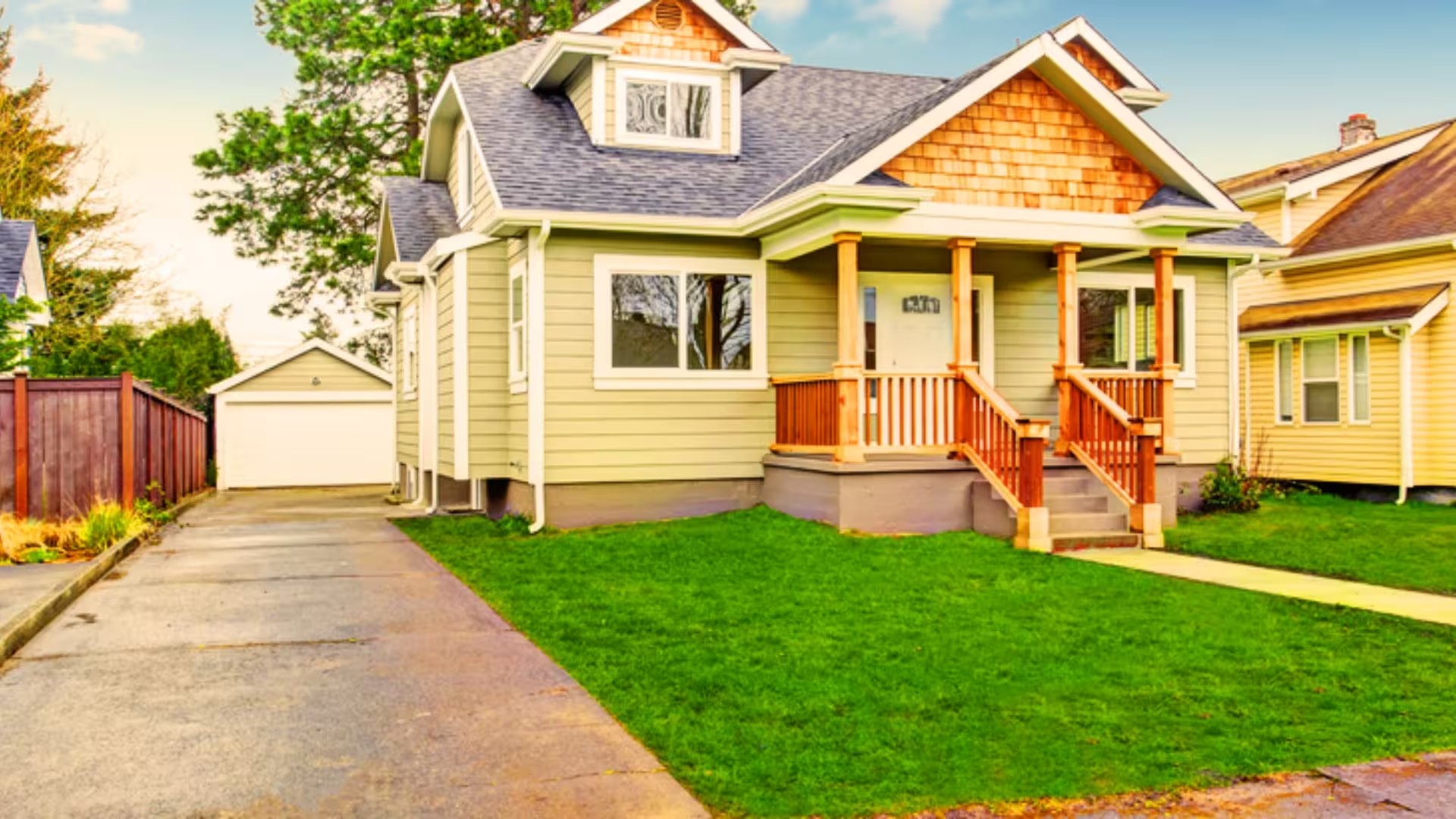
In recent years, smaller homes have gained popularity among homeowners and renters alike. Rising housing costs, environmental concerns, and a shift toward minimalist lifestyles are driving people to choose compact, efficient living spaces. Smaller homes are no longer seen as a compromise—they offer a smarter, more sustainable approach to modern living.
Affordability and Financial Freedom
One of the biggest reasons people opt for smaller homes is affordability. Housing prices in many urban areas continue to rise, making large homes expensive to buy or maintain. Smaller homes require less upfront cost, lower mortgage payments, and reduced property taxes.
By choosing a smaller home, homeowners can allocate savings toward other financial goals, such as investing, traveling, or building an emergency fund. This approach allows for greater financial flexibility and security.
Easier Maintenance
Smaller homes are easier to clean, maintain, and organize. Less square footage means fewer rooms to upkeep, lower utility bills, and simpler repairs. This convenience frees up time for hobbies, family, and personal pursuits, enhancing overall quality of life.
Environmental Sustainability
Compact living spaces are more energy-efficient. Smaller homes require less heating, cooling, and lighting, reducing energy consumption and carbon footprint. Additionally, they encourage sustainable practices such as minimalism and conscious consumption, aligning with growing environmental awareness.
Encourages Minimalist Living
Smaller homes naturally limit the amount of space available for belongings. This encourages people to declutter, focus on essential items, and adopt minimalist lifestyles. Simplifying possessions can lead to less stress, more intentional living, and greater appreciation for what truly matters.
Flexibility and Urban Living
Smaller homes are often located in urban or suburban areas with better access to work, public transport, and social amenities. Compact living makes it easier for people to relocate, downsize, or embrace a mobile lifestyle. Flexibility is especially appealing to younger generations, retirees, and those seeking a simpler way of life.
The Social and Cultural Shift
Lifestyle trends are shifting toward experiences rather than possessions. People value travel, wellness, and community more than owning large homes filled with material goods. This cultural change reinforces the appeal of smaller homes, as they support a life focused on purpose and balance rather than excess.
Platforms like Francoisturf highlight how trends in housing, lifestyle, and efficiency are shaping modern living, showing that smaller homes are not just a financial choice—they are part of a broader movement toward smarter, intentional living.
Conclusion
Smaller homes are becoming more popular because they offer affordability, sustainability, and convenience while promoting minimalist lifestyles. They allow homeowners to reduce costs, live intentionally, and focus on experiences rather than possessions.
As urban living, environmental awareness, and financial mindfulness continue to influence decisions, the trend toward smaller, more efficient homes is likely to grow. Choosing a smaller home is no longer a limitation—it’s a smart, modern way to live comfortably and sustainably.