Eco-friendly homes are no longer just about protecting the environment. Many green upgrades directly reduce monthly utility bills and improve long-term savings. With rising energy and water costs, making smart, sustainable changes at home can lower expenses while creating a more comfortable living space.
The good news is that eco-friendly improvements do not always require major renovations. Small, practical changes can make a noticeable difference over time.
Why Eco-Friendly Changes Save Money
Most household expenses come from electricity, heating, cooling, and water use. Eco-friendly upgrades focus on reducing waste, improving efficiency, and using resources more wisely. When a home uses less energy and water, monthly bills naturally decrease.
Eco-Friendly Home Changes That Pay Off
1. Switch to Energy-Efficient Lighting
Replacing traditional bulbs with LED lighting is one of the easiest upgrades. LED bulbs use far less electricity and last much longer. Although they cost slightly more upfront, the savings on energy bills and replacements quickly add up.
2. Improve Home Insulation
Poor insulation allows heat to escape in winter and enter in summer, forcing heating and cooling systems to work harder. Sealing gaps, insulating walls, and improving attic insulation help maintain indoor temperatures and lower energy costs year-round.
3. Use Smart Thermostats
Smart thermostats automatically adjust temperature based on daily habits. They reduce unnecessary heating and cooling when no one is home. Over time, this leads to noticeable savings on electricity and gas bills without sacrificing comfort.
4. Install Energy-Efficient Appliances
Modern appliances are designed to use less power and water. Energy-efficient refrigerators, washing machines, and air conditioners consume fewer resources while delivering the same performance. Replacing older appliances can significantly reduce monthly utility costs.
5. Reduce Water Usage
Water-saving fixtures such as low-flow showerheads, faucets, and toilets help reduce water consumption without affecting daily comfort. Fixing leaks promptly also prevents wasted water and higher bills.
6. Use Natural Lighting and Ventilation
Maximizing natural light reduces the need for artificial lighting during the day. Opening windows for ventilation instead of using fans or air conditioning when the weather allows can also lower electricity usage. Simple design choices can make homes brighter and more energy-efficient.
You Can Also Read: ignored-home-maintenance-tasks
7. Solar Power Options
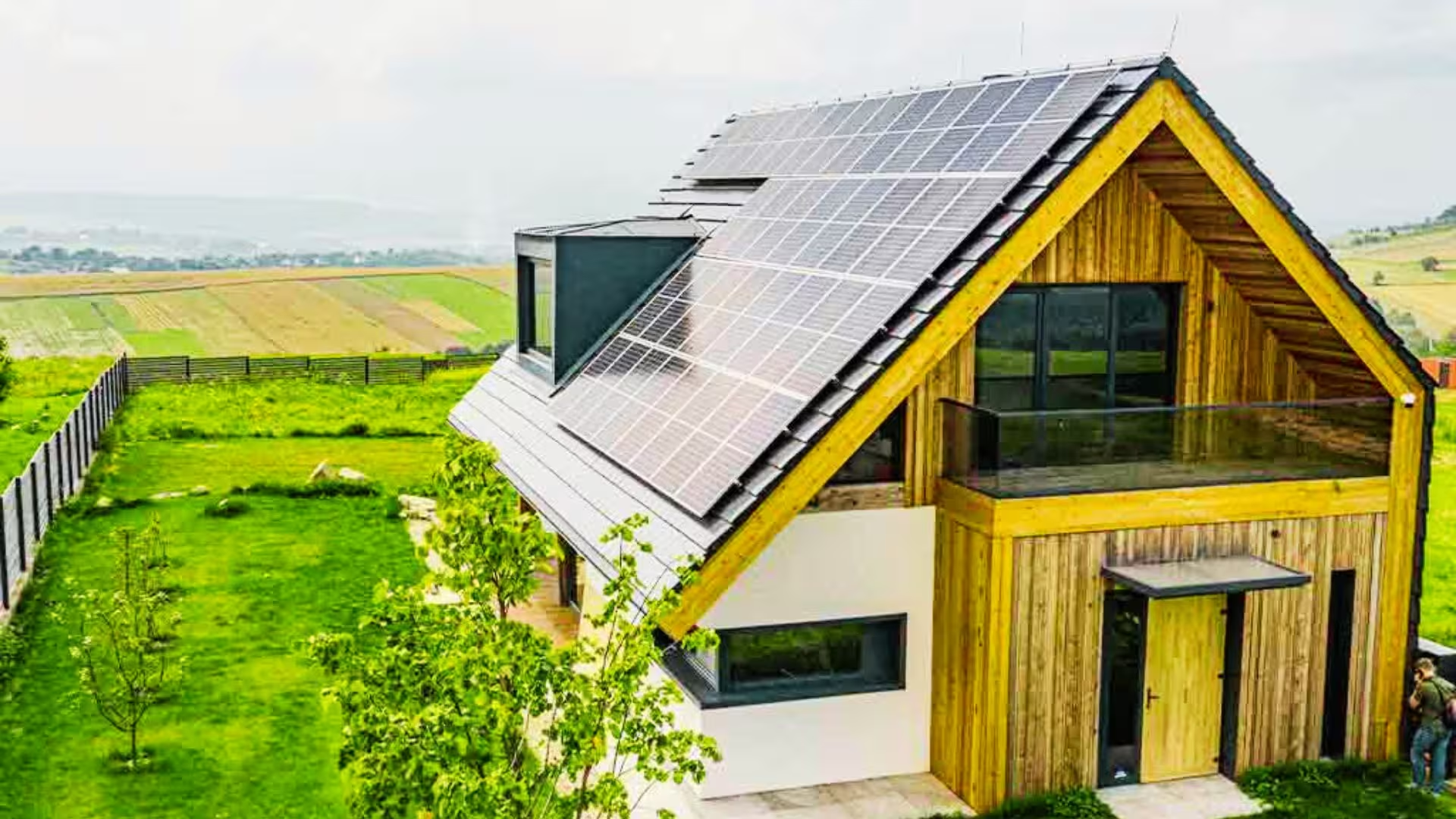
Solar panels are becoming more affordable and accessible. Even partial solar systems can offset electricity usage and reduce monthly bills. While the initial cost may be higher, long-term savings and reduced dependence on grid power make solar energy a valuable investment.
8. Choose Eco-Friendly Materials
Sustainable building materials like bamboo flooring, recycled insulation, and low-VOC paints improve energy efficiency and indoor air quality. These materials often last longer and reduce maintenance costs over time.
9. Smart Power Management
Many devices consume electricity even when not in use. Using smart plugs or unplugging unused electronics helps prevent “phantom energy” loss. This simple habit can lower electricity bills without affecting daily routines.
10. Landscaping for Energy Efficiency
Planting trees or adding shade around the home helps regulate indoor temperatures. Shade reduces cooling costs in hot weather, while proper landscaping can also improve insulation during colder months.
Platforms like francois turf highlight how eco-friendly living and smart systems help homeowners balance sustainability with real financial benefits.
Long-Term Benefits Beyond Savings
Eco-friendly home changes offer more than lower bills. They increase property value, reduce maintenance costs, and create healthier living environments. Homes with energy-efficient features are often more attractive to buyers and renters.
Additionally, reducing energy and water consumption lowers environmental impact, making these upgrades both financially and socially responsible.
How to Get Started
- Start with low-cost upgrades like LED lighting and sealing air leaks
- Track monthly utility bills to measure improvements
- Upgrade appliances gradually as older ones wear out
- Focus on efficiency before investing in larger systems like solar power
- Build eco-friendly habits alongside home improvements
Conclusion
Eco-friendly home changes are practical, cost-effective, and increasingly necessary. From energy-efficient lighting and appliances to insulation and water-saving fixtures, small upgrades can lead to significant monthly savings.
By focusing on efficiency and sustainability, homeowners can lower bills, improve comfort, and protect long-term property value. Eco-friendly living is no longer just a lifestyle choice—it’s a smart financial decision that benefits both households and the environment.