Travel is often seen as exciting, freeing, and refreshing. Exploring new places, cultures, and experiences is supposed to bring joy. But for many people today, travel no longer feels energizing. Instead, it feels tiring, stressful, and overwhelming.
This feeling has a name: travel burnout.
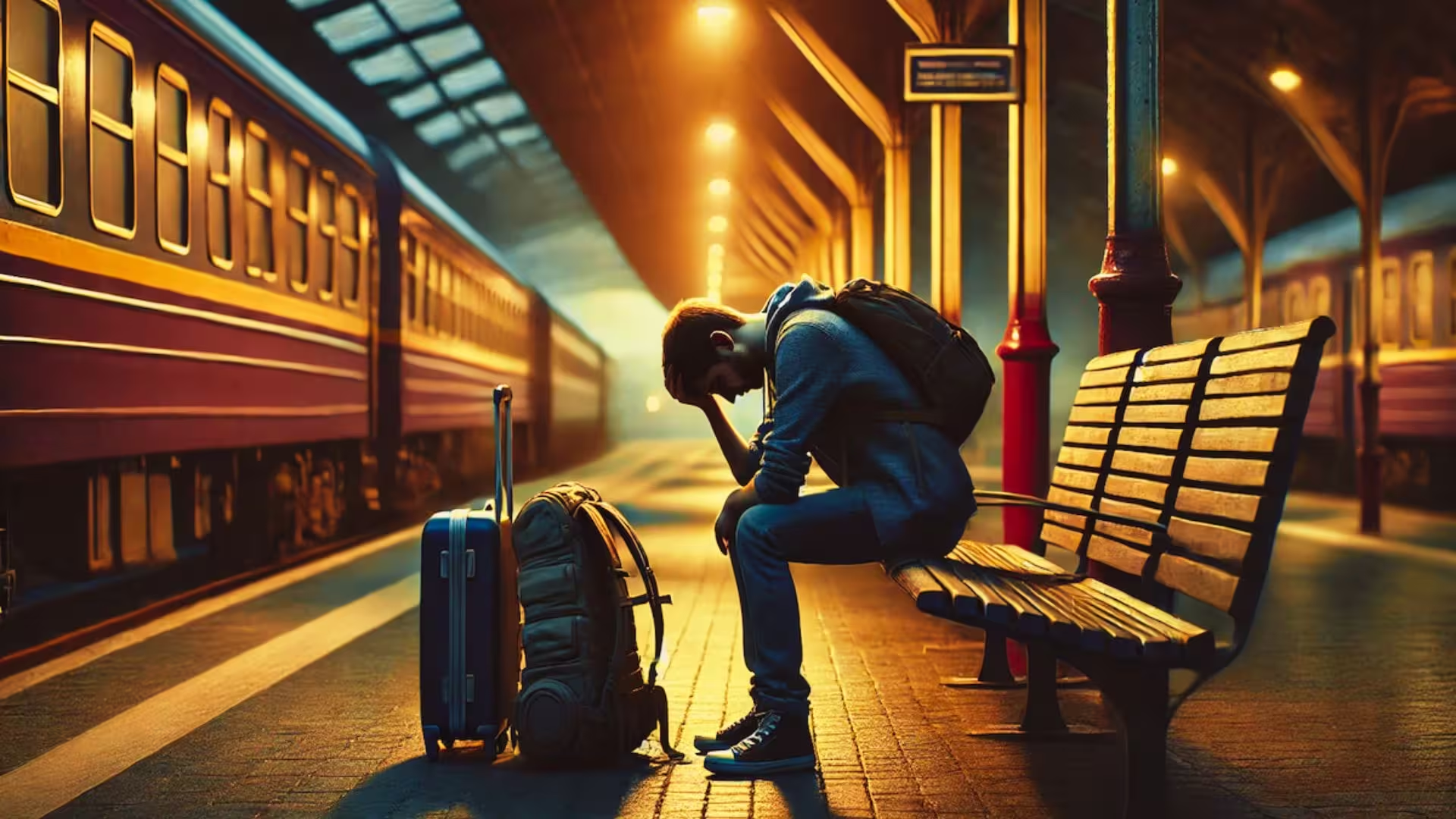
What Is Travel Burnout?
Travel burnout happens when frequent or intense travel leads to physical, mental, and emotional exhaustion. Instead of feeling inspired, travelers feel drained, irritated, or disconnected.
Burnout does not mean you dislike travel. It means the way you are traveling is no longer sustainable.
Why Travel Burnout Is Becoming More Common
1. Overpacked Itineraries
Many travelers try to do too much in too little time. Every day is filled with sightseeing, activities, transfers, and deadlines.
There is no space to rest or enjoy the moment. Travel starts to feel like a job instead of a break.
2. Pressure to “Make It Worth It”
Trips are expensive and time-consuming. Because of this, travelers feel pressure to maximize every hour.
Missing an attraction feels like wasting money. This mindset leads to constant rushing and mental stress.
3. Constant Planning and Decision-Making
Travel requires nonstop decisions:
- Where to eat
- How to get around
- What to see next
- How to stay on budget
Decision fatigue builds quickly, especially during long trips.
Social Media’s Role in Travel Burnout
1. Unrealistic Expectations
Social media shows perfect travel moments. Beautiful views, luxury stays, and smiling faces create unrealistic standards.
When real travel feels messy or tiring, people feel disappointed or frustrated.
2. Content Pressure
Some travelers feel pressure to document everything. Photos, videos, and updates turn experiences into performances.
Instead of being present, travelers focus on capturing content.
Platforms like francois turf often explore how systems reward constant output, and travel culture now follows the same pattern—always moving, always sharing, never resting.
Physical Causes of Travel Burnout
1. Poor Sleep
Changing time zones, uncomfortable beds, noise, and irregular schedules disrupt sleep. Lack of rest affects mood and energy.
2. Unhealthy Eating
Fast food, irregular meals, and unfamiliar diets strain the body. Even enjoyable food can become exhausting without balance.
3. Constant Movement
Walking all day, carrying bags, and long transport hours wear the body down, especially during multi-city trips.
Mental and Emotional Effects
1. Loss of Excitement
New places start to feel the same. Attractions blend together, and curiosity fades.
This is a key sign of burnout.
2. Irritability and Anxiety
Small problems feel bigger when energy is low. Delays, crowds, and language barriers become emotionally draining.
3. Feeling Disconnected
Travel burnout can create emotional distance—from travel partners, locals, and even yourself.
Instead of connection, you feel numb or detached.
Who Is Most at Risk?
Travel burnout often affects:
- Digital nomads
- Full-time travelers
- Content creators
- Business travelers
- Backpackers on long trips
However, even short-term travelers can experience burnout if the trip is rushed or stressful.
Signs You Might Be Experiencing Travel Burnout
- You feel tired before the trip ends
- You stop enjoying new places
- You avoid social interaction
- You feel guilty for wanting rest
- You crave routine and familiarity
These signals mean your travel style needs adjustment.
Why Slower Travel Matters
1. Fewer Places, Deeper Experiences
Staying longer in one place reduces stress. You spend less time moving and more time living.
This creates stronger memories and less exhaustion.
2. Time to Rest Without Guilt
Rest days are not wasted days. They help your body and mind recover.
A relaxed traveler enjoys more than a tired one.
3. Better Emotional Balance
Slower travel allows reflection, connection, and appreciation—key elements of meaningful travel.
You Can Also Read: local-experiences-vs-tourist-attractions
How to Prevent Travel Burnout
1. Plan Less, Experience More
Leave space in your schedule. Do not plan every hour.
Allow curiosity and rest to guide your days.
2. Set Realistic Expectations
Travel will not be perfect. Delays, discomfort, and boredom are normal.
Accepting this reduces frustration.
3. Disconnect Occasionally
Limit social media and screen time. You do not need to share everything.
Some moments are better kept private.
4. Maintain Simple Routines
Sleep well, eat regularly, and take breaks. Familiar routines bring stability during travel.
Is Taking a Break From Travel Okay?
Yes. Wanting to stop traveling does not mean you failed or lost passion.
Sometimes the healthiest choice is to pause, return home, and recharge. Travel will always be there when you are ready again.
Conclusion
Travel burnout happens when exploration becomes exhausting instead of enriching. Packed schedules, constant movement, social pressure, and lack of rest drain the joy from travel.
Travel is not a race. It is a personal experience that should support your well-being, not harm it.
When you slow down, rest intentionally, and travel with purpose, exploration becomes fulfilling again—not exhausting.