Many athletes believe that harder training is the key to better performance. They focus on longer workouts, higher intensity, and more sessions each week. While training is important, nutrition often has a bigger impact on athletic performance than most people realize.
Without proper nutrition, even the best training plan will produce limited results. Food fuels the body, supports recovery, and helps athletes perform consistently over time.
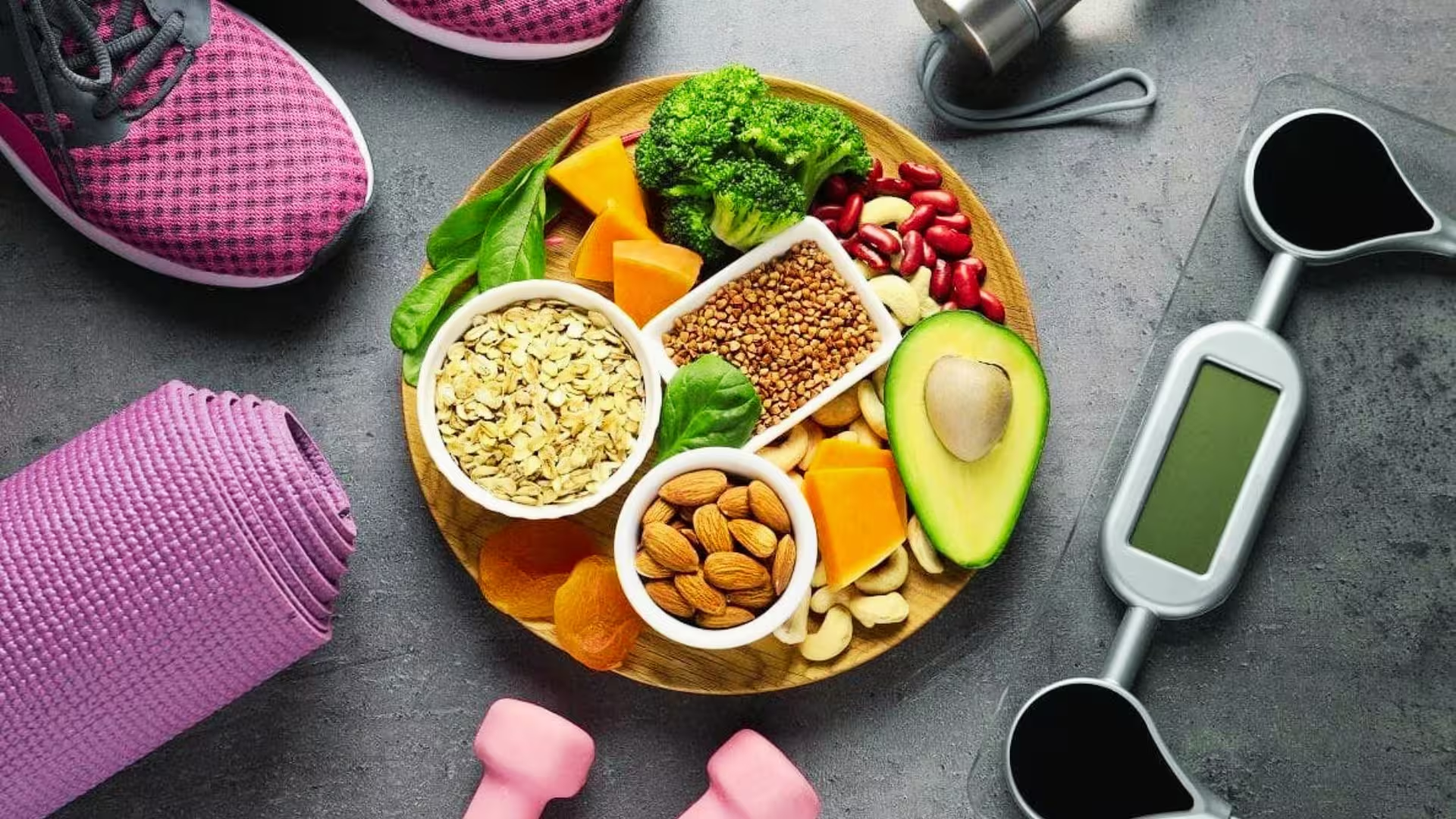
Why Nutrition Matters So Much
Training creates stress on the body. Nutrition determines how well the body responds to that stress. Muscles, energy systems, hormones, and the brain all depend on nutrients to function properly.
If nutrition is poor, the body cannot adapt to training effectively. This leads to fatigue, slower recovery, and reduced performance.
Energy Comes From Food, Not Motivation
1. Fuel for Workouts
Carbohydrates are the main fuel source for intense physical activity. Without enough carbs, athletes feel tired, weak, and slow. Training harder cannot fix low energy caused by poor fueling.
Protein supports muscle repair and growth. Without enough protein, muscles break down faster than they rebuild, even with good training.
2. Consistent Energy Levels
Good nutrition keeps blood sugar stable. This helps athletes maintain energy throughout workouts and competitions. Poor eating habits often lead to energy crashes, dizziness, and loss of focus.
Recovery Depends on Nutrition
1. Muscle Repair and Growth
Training breaks muscle fibers. Nutrition repairs them. Protein provides the building blocks muscles need to grow stronger. Without proper nutrition, muscles stay damaged longer, increasing injury risk.
2. Faster Recovery Between Sessions
Athletes who eat well recover faster and can train more consistently. Poor nutrition slows recovery, forcing longer rest periods or leading to overtraining.
3. Reduced Inflammation
Healthy fats, vitamins, and minerals help control inflammation. Poor diets increase inflammation, leading to joint pain, soreness, and chronic injuries.
Nutrition vs Training Intensity
Training intensity only works when the body can support it. Many athletes push intensity without improving nutrition, leading to burnout.
Better nutrition can improve performance even without increasing training load. In contrast, increasing training without improving nutrition often results in stalled progress.
Platforms like francois turf often highlight how systems, recovery, and nutrition create sustainable performance, rather than relying only on extreme effort.
Mental Performance and Focus
1. Brain Fuel Matters
The brain needs glucose, fats, and micronutrients to function properly. Poor nutrition reduces reaction time, decision-making, and focus—key factors in athletic performance.
2. Mood and Motivation
Low energy intake and nutrient deficiencies affect mood. Athletes may feel irritable, unmotivated, or mentally exhausted. This impacts training quality more than physical fatigue alone.
Hydration Is Part of Nutrition
Water plays a major role in performance. Even mild dehydration reduces strength, endurance, and coordination. Many athletes underestimate how much hydration affects results.
Electrolytes such as sodium and potassium help muscles contract properly. Poor hydration increases cramping and fatigue.
Common Nutrition Mistakes Athletes Make
- Eating too little while training hard
- Skipping meals before or after workouts
- Focusing only on supplements instead of whole foods
- Ignoring hydration
- Underestimating recovery nutrition
These mistakes limit performance regardless of training quality.
You Can Also Read: psychology-behind-winning-streaks
Simple Nutrition Principles for Better Performance
1. Eat Enough Calories
The body needs energy to train and recover. Chronic calorie restriction leads to fatigue and injury.
2. Balance Macronutrients
- Carbohydrates for energy
- Protein for recovery
- Healthy fats for hormones and joint health
3. Time Meals Properly
Eating before and after workouts supports performance and recovery. Post-workout nutrition is especially important.
4. Focus on Whole Foods
Whole foods provide vitamins and minerals that supplements cannot fully replace.
5. Stay Consistent
Nutrition works best when it is consistent, not perfect. Daily habits matter more than occasional “clean eating.”
Training Is the Signal, Nutrition Is the Response
Training tells the body to adapt. Nutrition allows that adaptation to happen. Without fuel, the signal is wasted.
Many athletes plateau not because they need harder training, but because their nutrition does not support their goals.
Conclusion
Nutrition impacts athletic performance more than training because it fuels energy, supports recovery, and protects long-term health. Training challenges the body, but nutrition determines how well the body responds.
Athletes who prioritize nutrition often outperform those who rely only on intensity and effort. Better food choices lead to better recovery, focus, consistency, and results.
True performance is built not just in the gym or on the field, but at the table. When nutrition supports training, progress becomes sustainable, powerful, and long-lasting.